Sunday, October 25, 2026

THEY'RE MARRIED!!! YAYYYYY

 Hi Everyone,

  So much has happened since I've had time to write here.  Yes, my son married the love of his life!  Yes, the wedding was super special and yes I sang.

  It was so incredible that my son picked the song that my parents had sung at their wedding "Wedding Prayer."  Also his now wife picked the song that my brother sang at our wedding "God, a Woman, and a Man."  

  The truly incredible part is that my son took his wife 46 years after Robert took me to be his wife.  They got married on our anniversary and it was oh so sweet!!!!

  The bride and groom didn't take their honeymoon now as we're in harvest.  They came home the day after the wedding and we started combining then.  Now the soybean harvest is completed and we're waiting for the corn to dry down to start corn harvest.  Prayers are appreciated for that.

  I'll share pictures of the wedding when I receive them.  This is one of my favorites.  The wedding pictures were taken outside and there was no place to sit.  When my legs gave out, I sank down on the lovely grass.  Almost instantly the flower girls piled in around me and someone got this photo.  I haven't felt this young in a very long time.  :)  The joy that day oozed out of everyone!!!  It was such a super special day!!!


  Being I'm a Grandma, I was drawn to this woman's posts.  She has so much wisdom to share and I need it.  How I wish that I could have spent more time with my own grandma's.  One lived out of town and one was sickly.  She died of cancer when I was in high school!

  Anyway, to you Grandma's out there, if you want some simple-to-understand advice, you may want to look up this lovely lady too.  Devoted Grandma

  I'd best get back to work.  You may recall that I am a Certified BodyTalk Practitioner for nearly 20 years.  BodyTalk saved my life in 2007 when I was dying from shingles on the brain.  Anyway, with the wedding and harvest activities, I got behind with my clients.  Now I'm trying to get everyone feeling better again.

  May God bless your new week!

  Dawn  


The Little Invitations Into Their World Grandkids Give Us That Most Grandmas Tend to Miss

Disclaimer: Devoted Grandma is reader-supported. If you purchase anything through my site, I may receive a small commission (at no cost to you). Thank you.

Print this article

We grandmas sometimes wish our grandchildren would let us into their lives a little more.

We ask how school is going and get “Fine.” We ask what they’ve been doing and hear “Nothing.” Then we wonder how someone who apparently does nothing can be so difficult to get on the phone.

But sometimes, our grandkids are inviting us into their world. Their invitations simply don’t look the way we expect.

They might arrive as a silly video, a long explanation about a game, or a quiet request to come sit beside them. And because we’re waiting for a proper conversation, we can miss the conversation they’re trying to begin.

Here are some little invitations worth noticing.

1. “Grandma, Watch This!”

Sometimes it’s a cartwheel. Sometimes it’s a trick with a spoon. Sometimes it’s a jump that looks remarkably similar to the previous fourteen jumps.

It can be tempting to keep folding laundry and call out, “That’s lovely, sweetheart!”

But that little request may mean, “I’m proud of this, and I want you to share the feeling.”

We don’t have to produce a standing ovation every time. Looking up and giving a specific response—“You landed on both feet that time!”—shows them we actually saw what mattered to them.

2. They Show Us Something We Don’t Find Particularly Funny

A grandchild holds out a phone, already laughing.

We watch the video. We don’t understand it. We’re not entirely certain anything happened.

But before we say, “What on earth do you children watch these days?” we can notice that they chose to share their laughter with us.

Try asking, “Is this the one you and your friends keep quoting?”

We may never love the joke. Still, we can enjoy learning what makes them laugh. Sometimes the funniest part is watching them try to explain it to Grandma.

3. They Start Explaining Their Favorite Game

There are characters, levels, rules, and apparently a very serious problem involving someone’s missing equipment.

Meanwhile, we’re still trying to work out which little figure belongs to our grandchild.

These explanations can feel endless, but they offer us a glimpse of where our grandchild spends time, solves problems, and enjoys small victories.

Instead of pretending to understand everything, ask one honest question.

“What’s the hardest part?”

“Can you show me something you’re proud of?”

We don’t need to become experts. Being willing beginners gives them a lovely chance to teach us.

4. They Ask Us to Sit Beside Them

Grandma, come here.”We arrive expecting an urgent announcement. Instead, they pat the empty cushion and carry on drawing, watching something, or building.

Our first instinct may be to ask, “What do you need?”

Sometimes, our company is exactly what they need.

We can miss these moments because they don’t seem productive. There’s no activity to organize or important subject to discuss. Yet sitting together can be its own kind of closeness.

For a few minutes, let the dishes wait. Accept the seat they saved you.

5. They Mention the Same Friend Again and Again

We may hear a name so often that it becomes background noise.

But the friend who keeps appearing in their stories may be an important part of their everyday world.

Remembering a small detail opens the door to future conversations.

“Was Maya happy with how her audition went?”

“Did you and Ben finish your project?”

There’s no need to investigate the friendship. Simply showing that we remember helps our grandchild feel that their stories stay with us after the conversation ends.

6. They Play Us a Song

A grandchild says, “Listen to this,” and we immediately start preparing our opinion about modern music.

But they might be sharing a song because it gives them energy, reminds them of a friend, or puts a feeling into words.

Before offering a review, try asking, “What do you like most about it?”

They may point out a lyric we missed or tell us where they first heard it.

And if it isn’t our sort of music, we can still appreciate being included. Every song they share doesn’t need Grandma’s official rating.

7. They Ask About Something From Our Past

“Did you ever get left out?”

“Were you nervous when you started working?”

“Did your parents like all your friends?”

Sometimes these are ordinary questions. Other times, they’re a gentle way of approaching something personal.

We don’t have to immediately ask, “Why? What happened?”

A truthful, simple answer can give them room to decide whether to say more.

“Yes, I remember feeling left out once. It hurt more than I wanted to admit.”

Then pause. Our willingness to be human may make their own feelings easier to share.

8. They Want Us to Try Their Way of Doing Something

They offer to teach us a dance, choose a movie, or show us how to take a photograph.

We might laugh and say, “Oh, Grandma doesn’t do those things.”

Of course, we’re allowed preferences and limits. But occasionally saying yes lets them experience something special: introducing us to a part of life they enjoy.

We can be clumsy. We can need instructions twice.

A grandchild may remember Grandma’s enthusiastic attempt far longer than they remember whether she got it right.

9. They Bring Us an Unfinished Idea

They show us half a drawing, describe a business they might start, or announce that they’re thinking about joining a club.

Because we want to help, we may rush straight to suggestions.

But an unfinished idea can be tender. They may want a little company while they work out what they think.

Start with curiosity.

“What gave you that idea?”

“What part are you most excited about?”

There will be time for practical questions. First, let them enjoy telling us what has begun to grow in their imagination.

10. They Call or Text Without Much to Say

A photo of lunch. A message about the weather. A quick call while walking home.

We may find ourselves wishing they would share something more meaningful.

But everyday contact already has meaning. They saw something, had a spare minute, and thought of us.

We can meet that small invitation with something equally simple.

“That sandwich looks much better than mine!”

A connection doesn’t always need a deep conversation to keep growing. Sometimes it needs a cheerful reply.

11. They Linger When It’s Time to Go

A grandchild follows us into the kitchen, stays near the doorway, or suddenly remembers one more thing as we’re saying goodbye.

They may simply be enjoying our company. They may also be gathering the courage to bring something up.

When we can, a gentle “I’ve got a few more minutes” leaves room without demanding an explanation.

And if nothing important is said, those extra minutes still count. We don’t have to turn every quiet moment into a confession.

The lovely thing about these invitations is that most ask very little of us. A bit of attention. An honest question. A willingness to be interested before we understand.

We’ll miss some. We’re human, and sometimes we really do need to get dinner out of the oven.

But we can also circle back.

“You wanted to show me something earlier. I’m ready now.”

Our grandkids’ world will keep changing as they grow. Paying attention to these little openings gives us more chances to know the people they’re becoming and more chances to enjoy being welcomed in.

Monday, October 5, 2026

FIVE DAYS TO THE WEDDING!!!!!

 Hello everyone,

  I haven't written much because we're all preparing for my son's wedding this Saturday.  I sure would appreciate prayers as we prepare food, clothes, lodging, and transportation for our whole family of 20 individuals.  .  

  It's an exciting time but also stressful and any stress gets my nerves even more worked up.  I've been doing lots of deep breathing and resting.  

  Today I need to get baking so please pray for a nice calm environment.  I told Jacob that I'm making kuchen for the head table.  Then I found out that Rhodes no longer makes it's sweet breads rolls.  Now I have to actually make the dough so that is NOT a calming thought.  

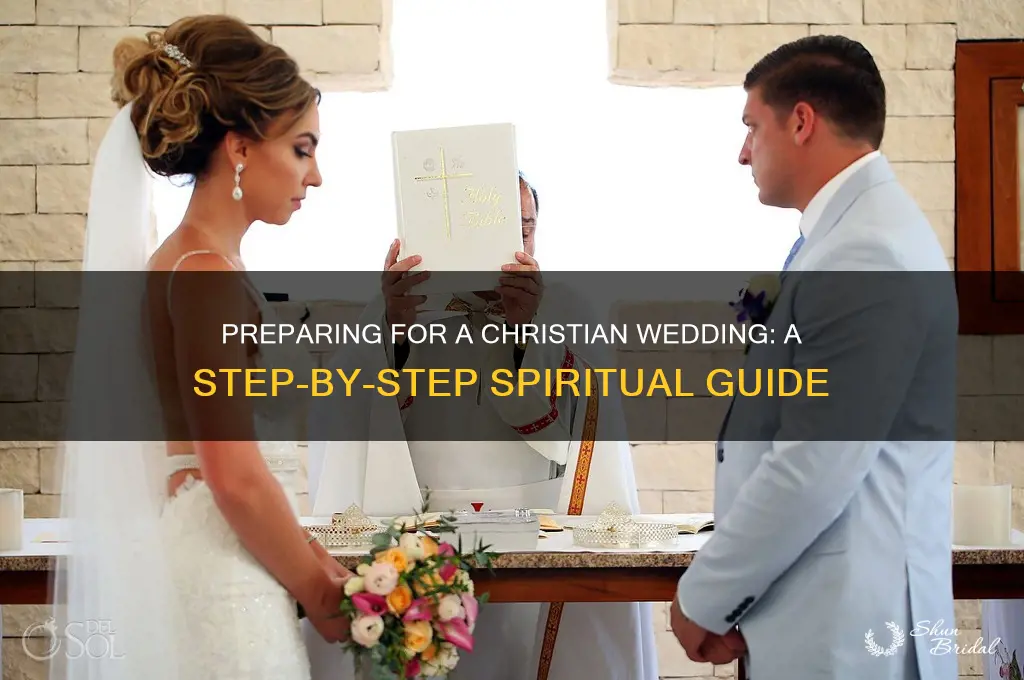
  I wondered if I could find an article about preparing for a Christian wedding and I did.  This looks awesome.  I'm sorry I couldn't get the ads to delete but perhaps someone out there needs to read one of these books?  I'm always amazed to watch how God leads people to the answers that they're needing.

  So, I'd best get out my kuchen dough recipe and get to work.  Your prayers are always appreciated.  I can feel them coming across the miles.  May the Lord Jesus Christ be with you all and fill you with His peace.

  Dawn


Preparing For A Christian Wedding: A Step-By-Step Spiritual Guide

how to prepare for a christian wedding

Preparing for a Christian wedding involves a blend of spiritual, practical, and emotional considerations to ensure the day reflects the couple’s faith and commitment to each other. Begin by seeking pastoral guidance to understand the church’s requirements, including premarital counseling and any specific traditions or rituals. Plan the ceremony details, such as selecting hymns, Scripture readings, and vows that align with Christian values. Engage with family and friends to involve them in roles like officiating, singing, or giving testimonies. Practically, organize logistics like venue, attire, and reception, keeping the focus on simplicity and reverence. Most importantly, cultivate a prayerful mindset, prioritizing God’s presence in the union and seeking His blessing for a lifelong, Christ-centered marriage.

What You'll Learn

shunbridal

Setting a God-centered vision: Define your shared faith goals and purpose for the marriage

Preparing for a Christian wedding involves more than just planning the ceremony and reception; it requires a deep, intentional focus on setting a God-centered vision for your marriage. This begins with defining your shared faith goals and purpose as a couple. Start by praying together and asking God to reveal His plan for your union. Seek His guidance in understanding how He intends for your marriage to glorify Him and reflect His love to the world. This foundational step ensures that your marriage is built on Christ, not just on shared interests or emotions.

Next, engage in open and honest conversations about your individual and collective faith journeys. Discuss how your relationship with God has shaped your values, priorities, and aspirations. Identify the spiritual practices that are important to both of you, such as prayer, worship, Bible study, or serving others. By aligning on these practices, you create a shared spiritual rhythm that will sustain your marriage through both joys and challenges. This alignment also helps you understand how you can mutually encourage and strengthen each other in your walks with God.

Define your purpose as a couple by considering how God can use your marriage to impact others. Are you called to mentor younger couples, serve in your church, or be a light in your community? Reflect on the unique gifts and passions God has given both of you and how they can be combined to fulfill His purposes. Writing down a shared mission statement for your marriage can serve as a tangible reminder of your commitment to live out God’s calling together. This purpose-driven approach ensures that your marriage is not just about you as individuals but about advancing God’s kingdom.

Incorporate Scripture into your vision-setting process by studying verses that speak to marriage, love, and unity. Passages like Ephesians 5:22-33, 1 Corinthians 13, and Genesis 2:18-25 provide timeless principles for a God-centered marriage. Memorize and meditate on these verses together, allowing them to shape your attitudes and actions. Additionally, consider seeking wisdom from Christian mentors, pastors, or marriage counselors who can provide guidance and accountability as you define your faith goals. Their insights can help you navigate potential challenges and stay focused on your shared vision.

Finally, commit to regular check-ins as a couple to evaluate your progress in living out your God-centered vision. Set aside time to pray, reflect, and discuss how well you are aligning with your shared faith goals and purpose. Be willing to adjust and grow as God leads, recognizing that your vision may evolve over time. By prioritizing this ongoing process, you ensure that your marriage remains firmly rooted in Christ and continues to honor Him in every season. Setting a God-centered vision is not a one-time task but a lifelong journey of faith and commitment.

shunbridal

Choosing meaningful traditions: Incorporate Christian rituals like unity candles or communion

When preparing for a Christian wedding, choosing meaningful traditions is a beautiful way to honor your faith and create a sacred atmosphere. Incorporating Christian rituals like the unity candle or communion can deepen the spiritual significance of your ceremony. The unity candle ceremony symbolizes the joining of two lives into one, with the couple each lighting a taper candle and then using those flames to light a larger, central candle together. This tradition not only represents the union of the couple but also their commitment to Christ as the center of their marriage. To make it even more personal, consider using candles engraved with your names or wedding date, or involve family members by having them light additional candles to represent their support and prayers for your marriage.

Another deeply meaningful tradition to consider is the inclusion of communion during the wedding ceremony. This sacred act, often referred to as the Lord’s Supper, serves as a reminder of Christ’s sacrifice and the couple’s shared commitment to follow Him. If you choose to include communion, work closely with your officiant to ensure it aligns with the theological practices of your denomination. You might also involve your wedding party or family members in preparing the elements, such as the bread and wine or juice, to add a layer of communal participation. Providing a brief explanation of the significance of communion to your guests, especially those unfamiliar with the practice, can make the moment more inclusive and impactful.

In addition to these rituals, you might also incorporate other Christian traditions like the exchanging of vows that explicitly include references to God or Scripture. Writing personalized vows that reflect your faith journey and commitment to each other can make this moment even more profound. Alternatively, you could include a prayer of blessing spoken by a pastor, parent, or close friend, asking for God’s guidance and protection over your marriage. These elements not only enrich the ceremony but also serve as a public declaration of your faith and reliance on God.

When selecting traditions, it’s important to consider the flow and length of your ceremony to ensure these rituals enhance rather than overwhelm the event. For example, if you choose both the unity candle and communion, plan their placement thoughtfully to maintain a reverent and smooth progression. You might also incorporate hymns or worship songs that complement these rituals, creating a cohesive spiritual experience for you and your guests. Remember, the goal is to create a ceremony that reflects your shared faith and values, so choose traditions that resonate deeply with both of you.

Finally, take time to discuss the significance of these traditions with your partner and seek guidance from your pastor or spiritual mentor. Understanding the biblical and spiritual roots of these practices can make them even more meaningful. For instance, the unity candle can be tied to Scripture verses about becoming one flesh (Mark 10:8), while communion can be linked to Christ’s command to “do this in remembrance of Me” (Luke 22:19). By grounding your choices in Scripture and prayer, you ensure that your wedding traditions are not just symbolic but also spiritually transformative. Preparing in this way will make your Christian wedding a truly sacred and unforgettable celebration of your love and faith.

shunbridal

Selecting biblical readings: Pick Scripture passages that reflect love, commitment, and faith

When selecting biblical readings for a Christian wedding, the focus should be on Scripture passages that beautifully articulate the themes of love, commitment, and faith. These readings will not only enrich the ceremony but also serve as a spiritual foundation for the couple’s marriage. Begin by considering passages from both the Old and New Testaments to provide a well-rounded perspective. For instance, 1 Corinthians 13:4-8, often referred to as the "Love Chapter," is a timeless choice. It describes love as patient, kind, and enduring, setting a profound tone for the vows. This passage is a favorite because it directly connects love to the values essential for a lasting marriage.

Another powerful option is Ruth 1:16-17, where Ruth declares her unwavering commitment to Naomi, saying, "Where you go, I will go, and where you stay, I will stay." This passage symbolizes loyalty and devotion, reflecting the couple’s pledge to stand by each other through all circumstances. Similarly, Genesis 2:18-24 narrates the creation of Eve and the institution of marriage, emphasizing the sacred bond between husband and wife. These Old Testament readings provide a historical and theological context for marriage, grounding the ceremony in God’s design.

In the New Testament, Ephesians 5:25-33 offers a clear call for husbands to love their wives sacrificially, as Christ loved the church, and for wives to respect their husbands. This passage highlights mutual submission and selflessness, key aspects of a Christ-centered marriage. Additionally, Matthew 19:4-6 reminds the couple of Jesus’ teachings on the permanence of marriage, reinforcing the commitment they are about to make. These readings not only inspire but also challenge the couple to live out their faith in their relationship.

When choosing passages, consider the flow and coherence of the readings within the ceremony. Pair a shorter, poetic passage like Song of Solomon 8:6-7, which speaks of love’s strength, with a more instructional text like Colossians 3:12-17, which encourages virtues such as compassion, humility, and forgiveness. This balance ensures the readings are both emotionally resonant and practically guiding. Involve your pastor or officiant in the selection process to ensure the passages align with the theological emphasis of your denomination and the overall tone of the wedding.

Finally, personalize the readings by reflecting on their significance to your relationship. Perhaps a particular verse has been a source of encouragement during your engagement, or a passage resonates with your shared faith journey. Including such meaningful Scripture will make the ceremony more intimate and memorable. Remember, the goal is to select readings that not only honor God but also inspire and guide you as you begin your married life together.

shunbridal

Planning worship elements: Include hymns, prayers, and a sermon to honor God

When planning the worship elements for a Christian wedding, the primary focus should be on honoring God and reflecting the sacred nature of the union. Begin by selecting hymns that are both meaningful to the couple and reverent in tone. Traditional hymns like “How Great Thou Art,” “Amazing Grace,” or “Holy, Holy, Holy” are timeless choices that uplift the congregation and direct hearts toward God. Consider the couple’s preferences, but ensure the hymns align with the solemnity of the occasion. Involve the church’s music director or worship leader early in the process to ensure the hymns are well-suited for the choir, musicians, and congregation.

Prayers are a vital component of the worship elements, serving as moments of communal intercession and reflection. Include at least three key prayers: an opening prayer to invite God’s presence, a prayer of blessing for the couple, and a closing prayer to dedicate the marriage to His will. Encourage the officiant, family members, or close friends to lead these prayers, ensuring they are heartfelt and focused on seeking God’s guidance and grace. If possible, provide prayer guides or prompts to those leading the prayers to maintain consistency and depth in their messages.

The sermon is a central element of the Christian wedding, offering an opportunity to proclaim God’s design for marriage and encourage the couple in their faith journey. Work with the officiant to craft a sermon that is biblically grounded, typically drawing from passages like Ephesians 5:22-33, Genesis 2:18-24, or 1 Corinthians 13. The sermon should be concise yet impactful, lasting around 10-15 minutes. It should emphasize the couple’s commitment to each other and to God, while also providing practical wisdom for their marriage. Ensure the message resonates with both the couple and the congregation, reinforcing the spiritual significance of the day.

Incorporate moments of silence or reflection during the worship elements to allow guests to personally engage with God. For example, after the sermon, include a brief time of silent prayer where attendees can lift up the couple in their thoughts. Additionally, consider adding a responsive reading or a recitation of Scripture, such as the Lord’s Prayer or Psalm 128, to involve the congregation actively in worship. These elements foster a sense of unity and shared faith among all present.

Finally, coordinate with the worship team to ensure seamless transitions between hymns, prayers, and the sermon. Provide a detailed timeline to all participants, including the officiant, musicians, and prayer leaders, to avoid confusion and maintain the flow of the service. Rehearse the worship elements if possible, especially if there are multiple participants, to ensure everyone is comfortable and prepared. By thoughtfully planning these elements, the wedding will not only celebrate the couple’s love but also deeply honor God as the foundation of their marriage.

shunbridal

Preparing premarital counseling: Engage in faith-based guidance for a strong foundation

Preparing for a Christian wedding involves more than just planning the ceremony and reception; it requires intentional steps to build a strong, faith-centered foundation for your marriage. One of the most crucial aspects of this preparation is engaging in premarital counseling rooted in Christian principles. This process helps couples explore their relationship through the lens of faith, ensuring they are spiritually, emotionally, and mentally prepared for the lifelong commitment ahead. Here’s how to approach premarital counseling with a focus on faith-based guidance.

First, seek a qualified Christian counselor or pastor who can provide biblical insights and practical tools for marriage. The counselor should be someone who aligns with your theological beliefs and understands the importance of integrating faith into every aspect of married life. Many churches offer premarital counseling programs, often based on curricula like *Preparing for Marriage* by Dennis and Barbara Rainey or *Saving Your Marriage Before It Starts* by Les and Leslie Parrott. These programs typically cover topics such as communication, conflict resolution, financial stewardship, and spiritual leadership, all framed within a Christian worldview.

During counseling sessions, be open and honest about your expectations, fears, and aspirations for marriage. Discuss how your faith will shape your roles as husband and wife, including how you will prioritize prayer, worship, and service together. Address potential areas of disagreement, such as parenting styles or how to handle extended family dynamics, and work through them with biblical principles in mind. For example, Ephesians 5:21 encourages mutual submission, while 1 Corinthians 13 provides a blueprint for love. Grounding your discussions in Scripture ensures that your marriage is built on a solid spiritual foundation.

In addition to formal counseling, commit to regular devotionals and prayer as a couple. This practice not only strengthens your bond but also fosters a habit of seeking God’s guidance in your relationship. Consider using a couples’ devotional book or creating a shared prayer list that includes your marriage, future family, and individual growth. By integrating faith into your daily lives now, you set a precedent for a Christ-centered marriage.

Finally, involve your church community in your preparation. Many couples find it beneficial to connect with married mentors who can offer wisdom and support. These mentors can provide real-life examples of how faith sustains a marriage through challenges and triumphs. Additionally, participating in church activities as a couple can help you grow together in service and fellowship, reinforcing the communal aspect of Christian marriage.

By prioritizing faith-based premarital counseling, you not only prepare for your wedding day but also for a lifetime of love, commitment, and spiritual partnership. This intentional investment in your relationship will yield dividends as you navigate the joys and trials of married life, always anchored in your shared faith in Christ.

THEY'RE MARRIED!!! YAYYYYY

 Hi Everyone,   So much has happened since I've had time to write here.  Yes, my son married the love of his life!  Yes, the wedding was...